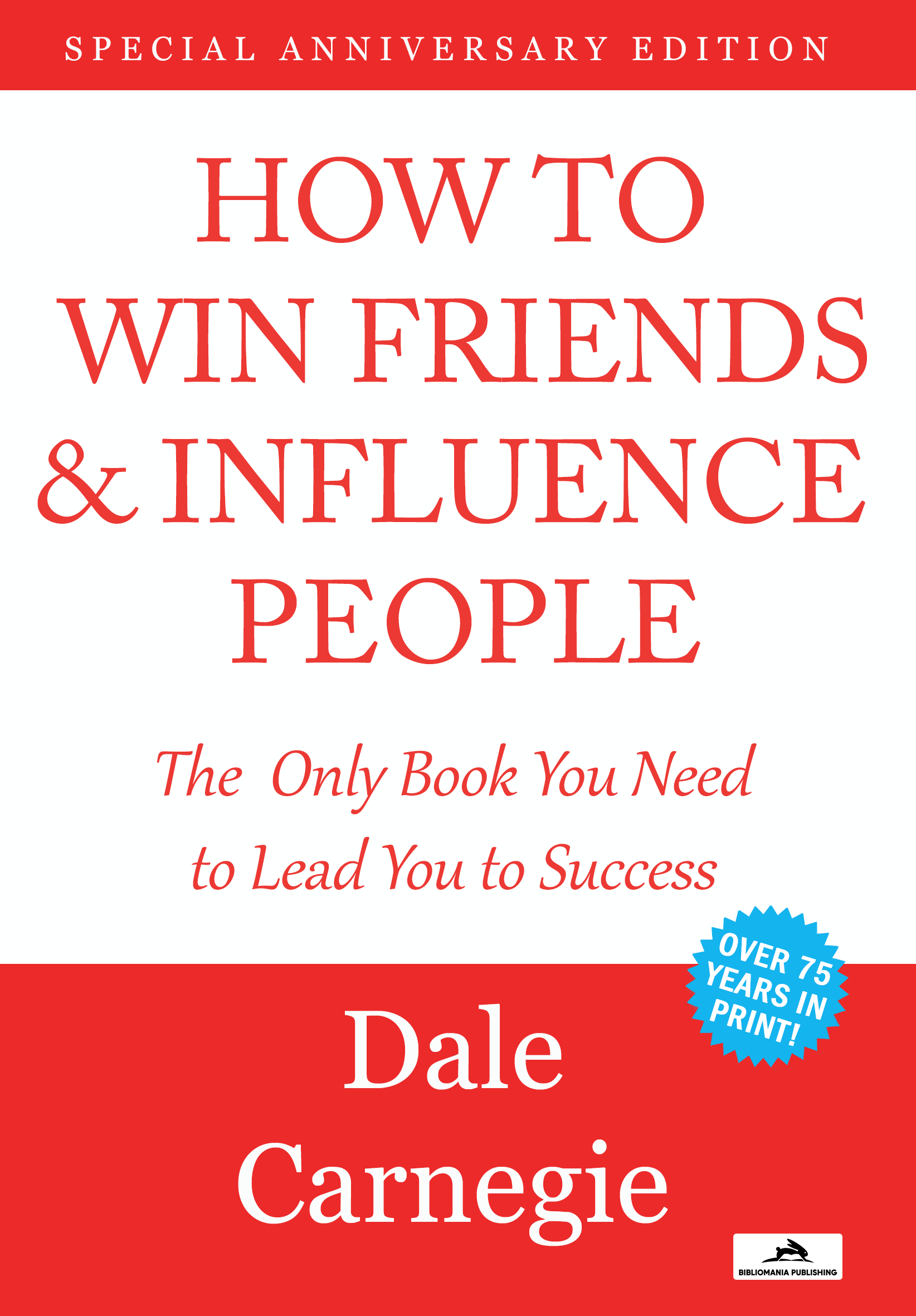
In One Sentence
A timeless guide to building meaningful relationships and influencing others through genuine interest, sincere appreciation, and understanding human nature rather than manipulation or coercion.
Key Takeaways
- The only way to win an argument is to avoid it entirely.
- You can make more friends in two months by being interested in others than in two years trying to get others interested in you.
- People crave appreciation and recognition more than almost anything else.
- The deepest principle in human nature is the craving to be appreciated.
- To change someone's behavior, begin with praise and honest appreciation.
- Let the other person do a great deal of the talking.
- Make the other person feel important—and do it sincerely.
- The only way to influence people is to talk about what they want and show them how to get it.
- Remember that a person's name is the sweetest sound to them in any language.
- Appeal to the nobler motives in people.
Summary
Dale Carnegie's classic teaches practical techniques for handling people, winning them to your way of thinking, and becoming a more effective leader—all without manipulation or insincerity. The core philosophy is simple: people respond to genuine interest, appreciation, and respect.
The book is organized into four main sections covering fundamental techniques for handling people, ways to make people like you, methods for winning people over to your thinking, and strategies for being a leader who inspires change without resentment.
Rather than focusing on tactics to "beat" people in conversations or negotiations, Carnegie emphasizes understanding what others want, seeing things from their perspective, and appealing to their interests. The techniques aren't about being fake—they're about genuinely caring about others and communicating in ways that bring out the best in everyone.
What makes this book enduring is its psychological insight into human behavior. Carnegie understood that people are driven by emotion more than logic, that criticism shuts people down while appreciation opens them up, and that making someone feel important is one of the most powerful ways to build a relationship.
Detailed Notes
Part One: Fundamental Techniques in Handling People
1. Don't criticize, condemn, or complain
Criticism is futile because it puts people on the defensive and makes them justify themselves. It wounds pride, hurts their sense of importance, and creates resentment. Great leaders understand that people want approval, not condemnation.
2. Give honest and sincere appreciation
People crave appreciation more than almost anything else. But it must be genuine—flattery is shallow and selfish, while appreciation is sincere and comes from the heart. Look for things to genuinely appreciate in others.
3. Arouse in the other person an eager want
The only way to influence anyone is to talk about what they want and show them how to get it. Instead of talking about what you want, frame your requests in terms of the other person's interests and desires.
Part Two: Six Ways to Make People Like You
1. Become genuinely interested in other people
You can make more friends in two months by being interested in them than in two years trying to get them interested in you. Ask questions. Listen. Show genuine curiosity about their lives.
2. Smile
A genuine smile shows people you're happy to see them and puts everyone at ease. It costs nothing but creates much. It's the expression of warmth, good will, and genuine pleasure in another person's company.
3. Remember that a person's name is the sweetest sound
People love hearing their own name. Using someone's name makes them feel valued and important. Make an effort to remember names and use them frequently in conversation.
4. Be a good listener and encourage others to talk about themselves
Most people are more interested in themselves than anything else. When you listen attentively and ask thoughtful questions, you make people feel important and valued.
5. Talk in terms of the other person's interests
Find out what excites them and talk about that. When you discuss topics they care about, conversations become engaging and memorable.
6. Make the other person feel important—and do it sincerely
Everyone wants to feel important and appreciated. When you genuinely recognize someone's value and contributions, you create a powerful bond.
Part Three: How to Win People to Your Way of Thinking
- Avoid arguments: The only way to win an argument is to avoid it. Even if you "win" logically, you lose because you've made the other person feel inferior.
- Respect others' opinions: Never say "You're wrong." It challenges their pride and intelligence, making them defensive.
- Admit when you're wrong: Quickly and emphatically. This disarms criticism and often brings forgiveness.
- Begin in a friendly way: Kindness and appreciation get you further than confrontation.
- Get the other person saying "yes": Start with questions they'll agree with to create momentum toward your goal.
- Let the other person do talking: They know their situation better than you do. Listen more than you speak.
- Let them feel the idea is theirs: People support ideas they help create. Guide them to the conclusion rather than forcing it.
- See things from their point of view: Ask yourself why they think and act the way they do.
- Be sympathetic: Most people crave sympathy. Give it generously.
- Appeal to nobler motives: People like to think well of themselves. Frame requests in terms of their values and integrity.
- Dramatize your ideas: Facts alone rarely persuade. Make your point vivid and interesting.
- Throw down a challenge: People love competition and the chance to prove their worth.
Part Four: Be a Leader - How to Change People Without Offending Them
- Begin with praise: It's easier to hear criticism after feeling appreciated.
- Call attention to mistakes indirectly: Hint at errors rather than pointing them out directly.
- Admit your own mistakes first: This lowers defenses and shows humility.
- Ask questions instead of giving orders: "Do you think this would work?" is more effective than "Do this."
- Let them save face: Never humiliate anyone, even when they're wrong.
- Praise improvement: Even small progress deserves recognition.
- Give people a fine reputation to live up to: People work hard to maintain a good reputation you've given them.
- Make faults seem easy to correct: Encouragement makes change feel possible.
- Make people happy about doing what you suggest: Frame requests as opportunities, not burdens.
My Notes & Reflections
This book fundamentally changed how I approach conversations and relationships. The biggest insight for me is that most conflicts arise not from disagreement but from wounded pride and ego. When you make someone feel heard, respected, and important, disagreements often dissolve on their own.
The advice to "avoid arguments" felt counterintuitive at first. Isn't standing up for truth important? But Carnegie's point isn't about abandoning your principles—it's about recognizing that proving someone wrong rarely changes their mind. It just makes them defensive. Real influence comes from understanding, not domination.
The section on leadership particularly resonated. Giving orders may get compliance, but asking questions and letting people reach conclusions themselves creates genuine buy-in. I've started using this approach at work and the difference is remarkable.
What surprised me most is how much of this is about listening. Talking less and asking more questions has improved nearly every interaction I have. People open up when they feel truly heard, and solutions emerge naturally from real understanding.
Who Should Read This Book
- Anyone who works with people in any capacity—managers, salespeople, teachers, parents
- People who struggle with difficult conversations or conflicts
- Anyone looking to improve their social skills and build better relationships
- Leaders who want to inspire rather than command
- Anyone in sales, negotiation, or persuasion roles
- People who want to be more influential without being manipulative
Favorite Quotes
- "You can make more friends in two months by becoming interested in other people than you can in two years by trying to get other people interested in you."
- "Any fool can criticize, condemn, and complain—and most fools do. But it takes character and self-control to be understanding and forgiving."
- "The only way to get the best of an argument is to avoid it."
- "If you want to gather honey, don't kick over the beehive."
- "People work for money but go the extra mile for recognition, praise and rewards."
- "Remember that a person's name is to that person the sweetest and most important sound in any language."
- "Talk to someone about themselves and they'll listen for hours."
- "When dealing with people, remember you are not dealing with creatures of logic, but with creatures of emotion."